Red Siskin
Species: American Siskin
Latin name: Carduelis cucullata
English name: Red Siskin
Order: Passeriformes
Family: Fringillidae
Description:
Habitat: Northern Colombia, northern Venezuela. Found at altitudes between 300m and 1200m.
This magnificent siskin, the only siskin with a red underparts, is endangered in the wild. It is listed in Appendix I of the Washington Convention (please note that a captive-bred red siskin without a ring is treated as an imported bird and is therefore listed in Appendix I).
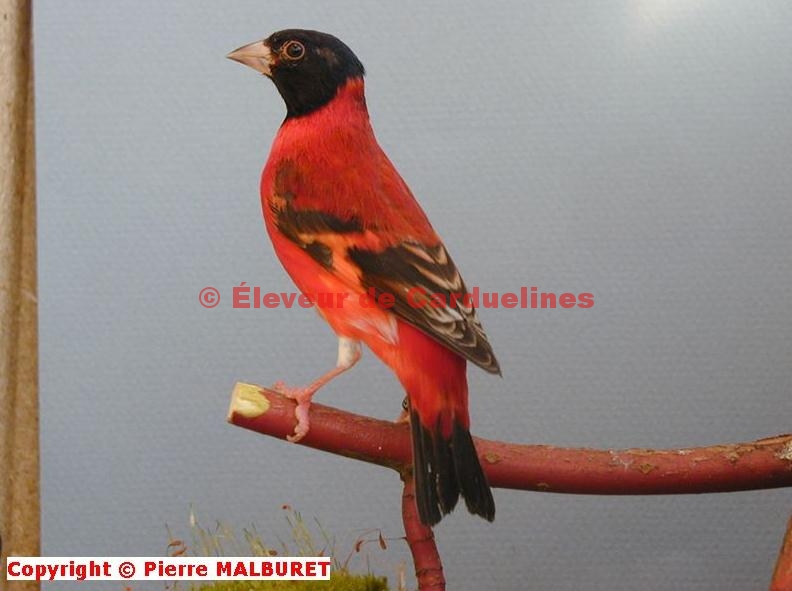
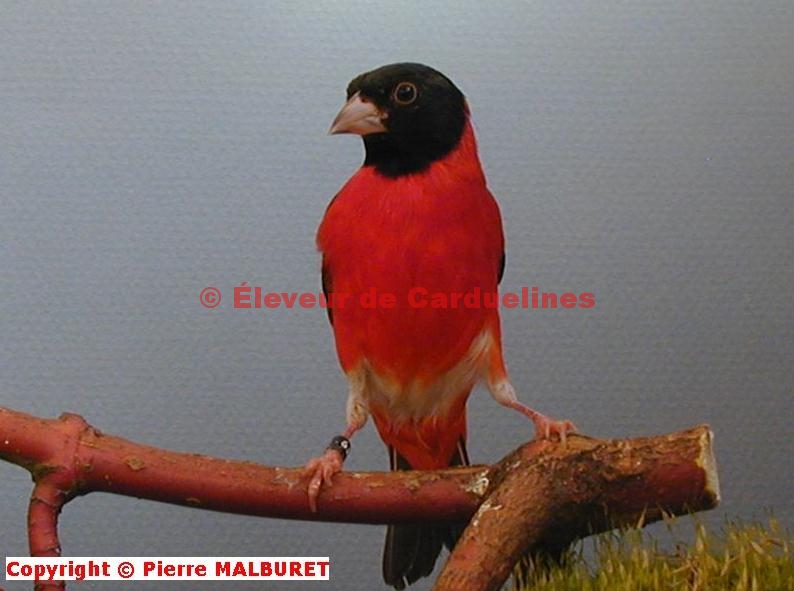
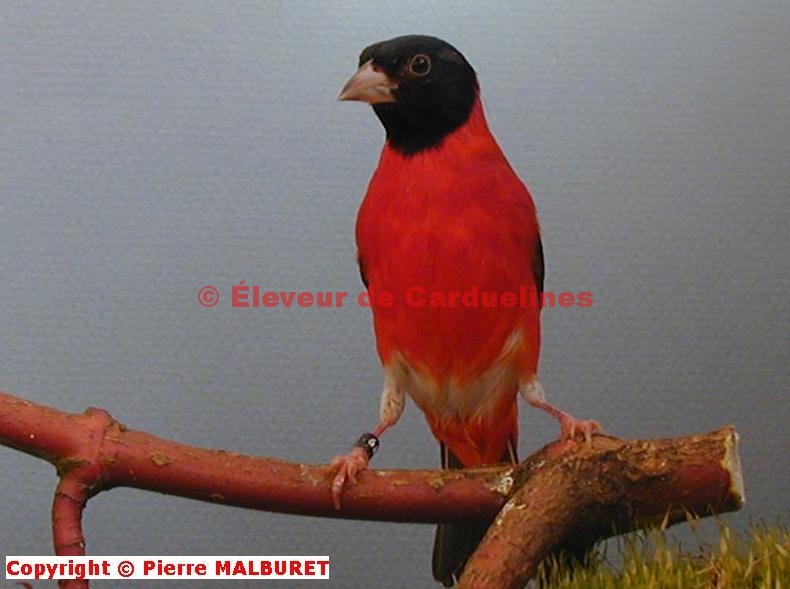
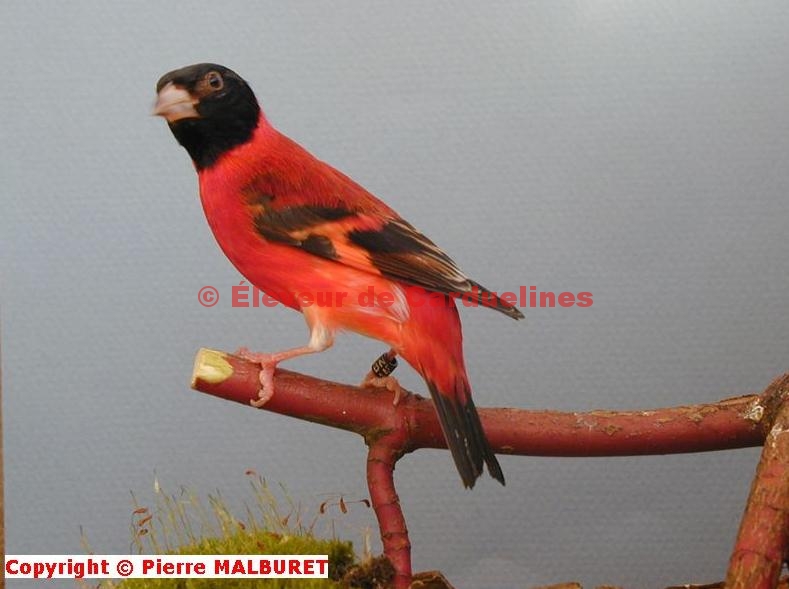
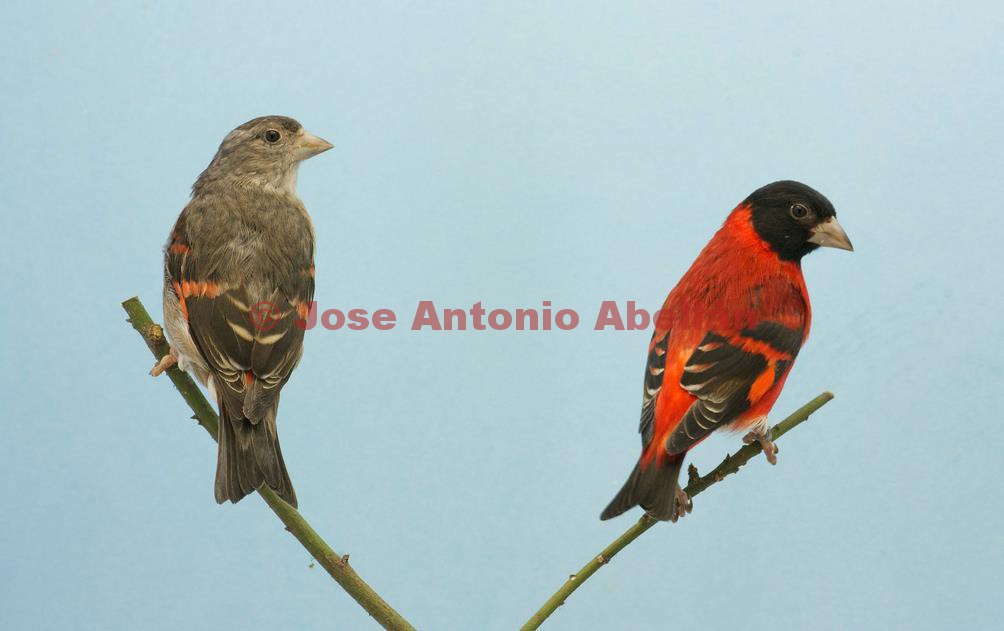
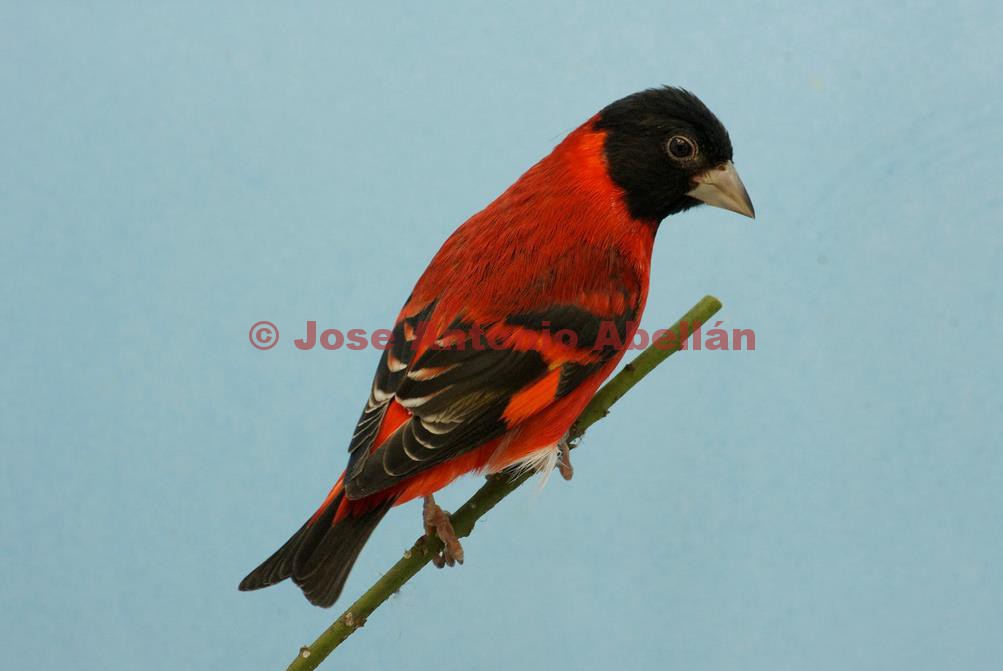
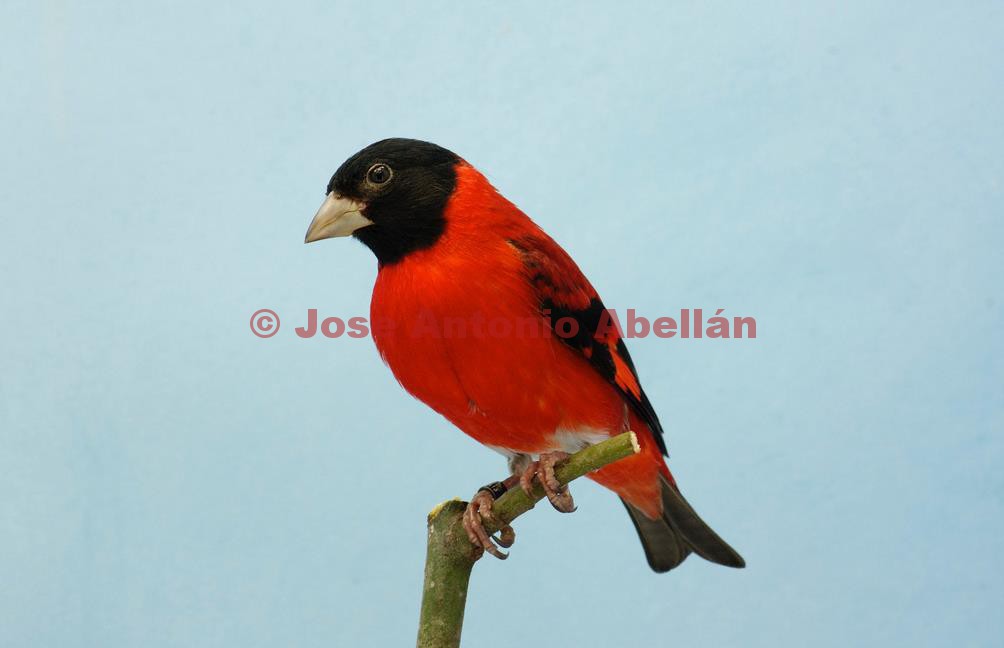
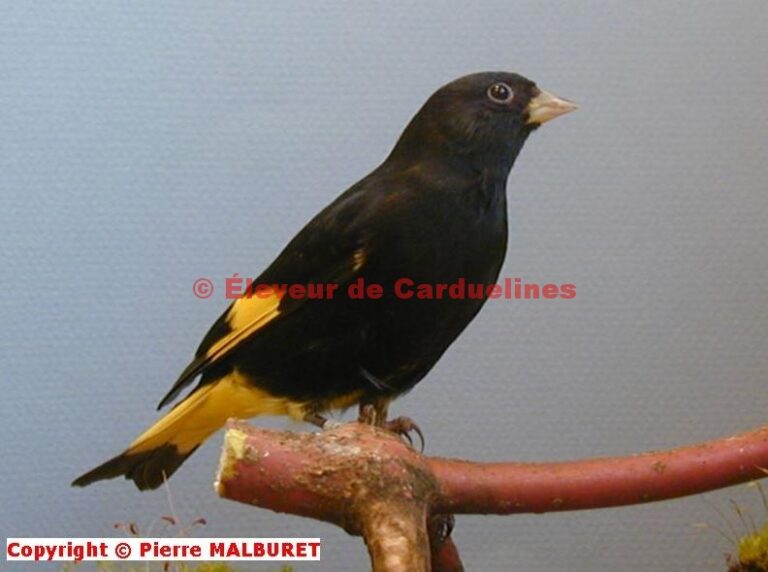
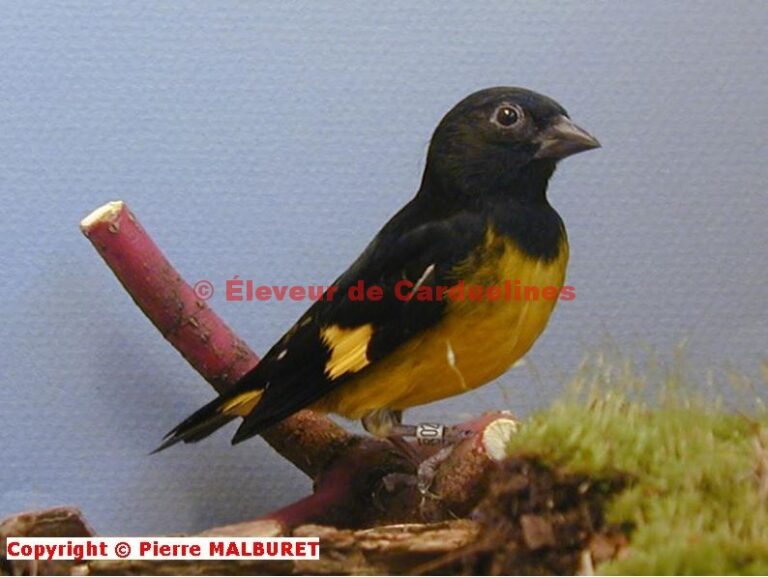
The male has predominantly red plumage. Crown, mask and throat are black. The flight feathers and tail feathers are black. However, the tips of the tertiary flight feathers are white to whitish.
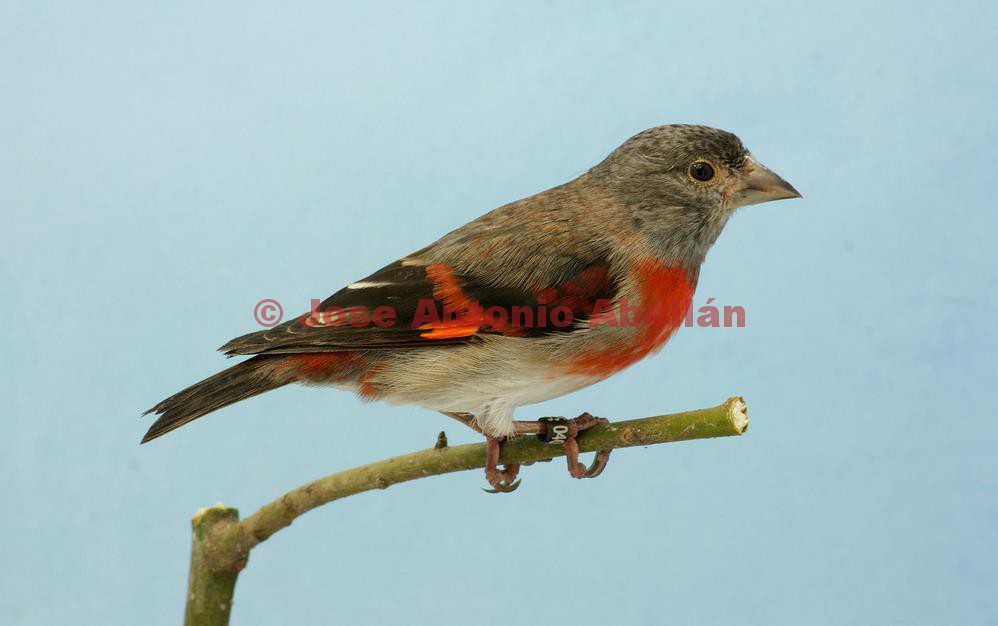
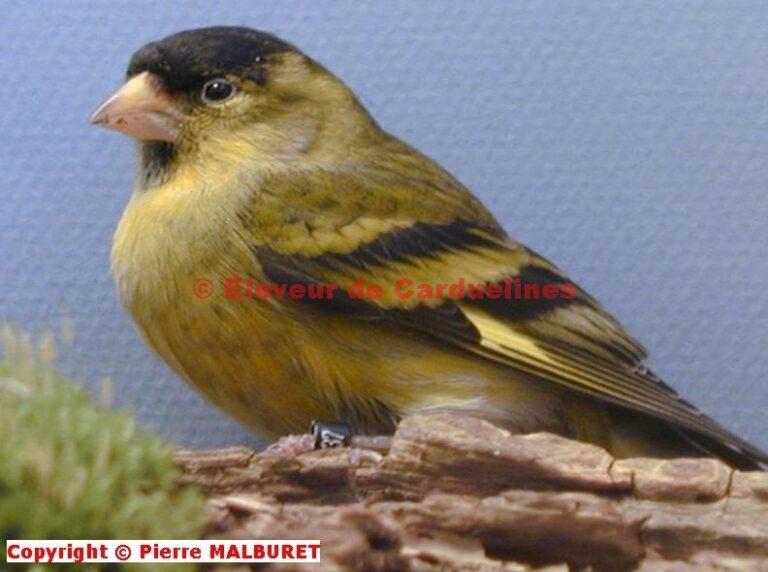
The female has no black on the head, but is grey, as on the back and upperparts. The wing bars are red, as is the rump. The breast is orange-red.
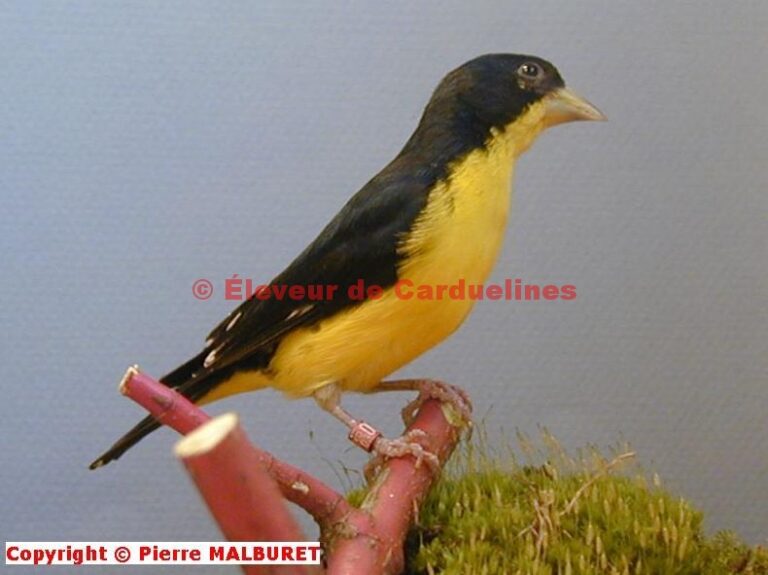
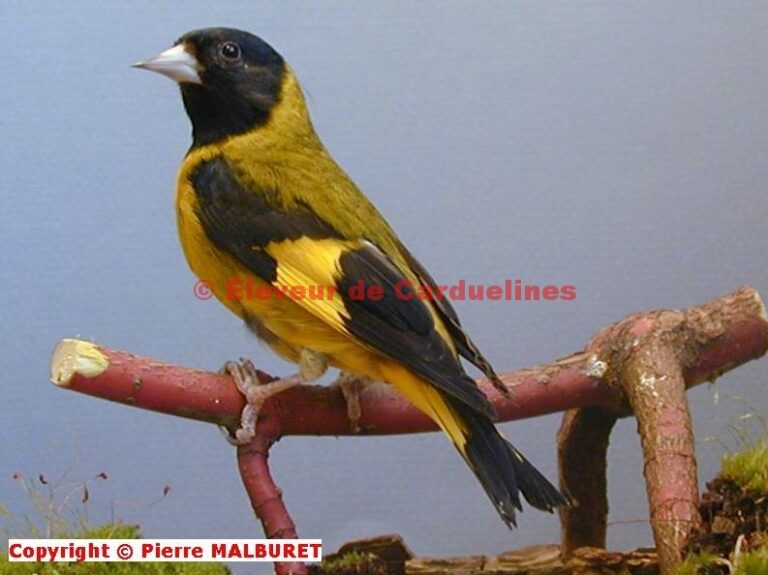
This small red-headed bunting is bred in large numbers. Unfortunately, many birds are not purebred. Indeed, some breeders have hybridised the Venezuelan Siskin with the Willow Siskin (to introduce mutations from the Willow Siskin into the Red Siskin) and with the Magellanic Siskin (Carduelis magellanius) to increase its size and improve its hardiness in the European climate.
To guarantee the purity of the bloodlines, DNA analysis is therefore necessary. One of the criteria suggesting hybridisation (R1, R2, R3, etc.) is the irregularity of the black mask in males. If the black colour bleeds onto the breast, there is a high probability that the bird is not purebred. It should be noted, with regard to hybridisation, that the Venezuelan red siskin is the source of the red colour in the domestic canary. Deforestation of its habitat, as well as its capture during the last century, are the main causes of its disappearance.
Breeding the Red-billed Bunting presents no major difficulties in a cage measuring 1.20 m × 0.50 m × 0.50 m
Galerie