Yellow-eyed Canary

Species: Canary
Latin name: Serinus mozambicus
English name: Yellow-eyed Canary, Yellow-fronted Canary
Order: Passeriformes
Family: Fringillidae

Description:


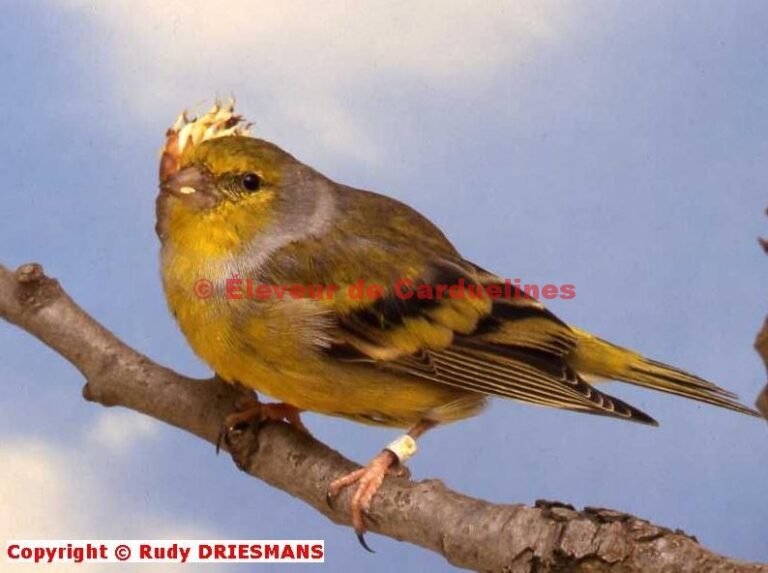
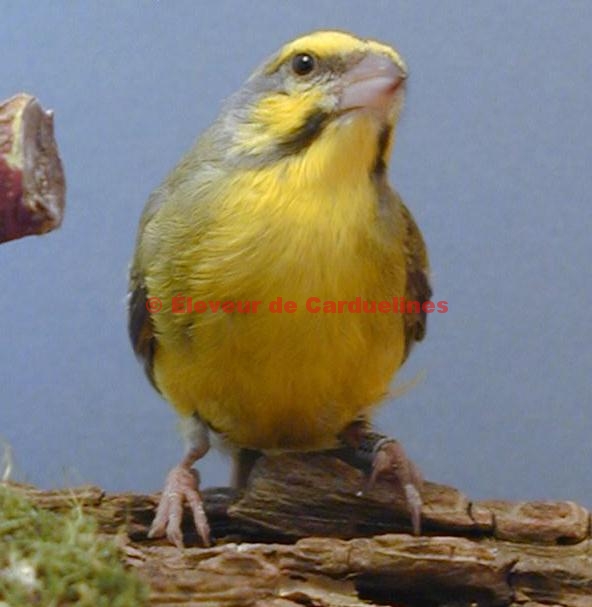
Habitat: Africa. From the Sahara to south-eastern South Africa. The male has a distinctive mask with two stripes running from the beak down to the lower cheeks. Its plumage is a vivid yellow, with a greenish-yellow back and head. The female is paler but, most notably, has a broken collar.
As with the White-rumped Canary, it is essential to establish breeding lines of this magnificent canary. Thousands were imported until the arrival of avian influenza in France, and sold at such low prices that one might well wonder at what price the importers were buying their ‘merchandise’ in Africa. How many of these canaries were bred? Very few. It is therefore time to take action and seek to breed all these finches that we can still find in bird shops or among collectors. This is the only chance we have to continue observing them, understanding them and demonstrating that breeding serves a real purpose. I know this may come as a shock, but keeping birds without trying to breed them makes no sense at all!
Returning to the Mozambique Canary, if you have a cage measuring 0.80 m × 0.50 m × 0.50 m, you can hope to breed them successfully. Be warned, however: in a communal aviary, the Mozambique Canary, like many canaries, is a real nuisance.
Publications similaires

  • Black-headed Canary

    Species: Canary Latin name: Serinus alario English name: Black-headed Canary Order: Passeriformes Family: Fringillidae Description: Many thanks to Trevor Hardaker for these beautiful photos. Website => Trevor Hardaker’s Website ------------------------------------------ Habitat: The Black-headed Canary is found in Namibia, Botswana and South Africa. The male has black on the head, throat and breast. Its white plumage...

  • Cape Canary

    Species: Canary Latin name: Serinus canicollis English name: Cape Canary Order: Passeriformes Family: Fringillidae Description: Many thanks to Trevor Hardaker for these beautiful photos. Website => Trevor Hardaker’s Website ------------------------------------------ Habitat: East Africa and South Africa. It nests in bushes, grasslands and scrubland. The male has predominantly yellowish-green plumage. The head and back are grey....

  • Red-fronted serin

    Species: Serin Latin name: Serinus pusillus English name: Red-fronted serin Order: Passeriformes Family: Fringillidae Description: Many thanks to Askar Isabekov for the photos at the bottom of the web page. His website => www.birds.kz -------- Habitat: It is found from Turkey to Central Asia. It inhabits the hills of north-eastern China, as well as the...

  • Citril

    Species: Serin Latin name: Serinus citrinella English name: Citril Order: Passeriformes Family: Fringillidae Description: Habitat: Central, western and southern Europe. Inhabits high-altitude coniferous forests. The male has a grey nape and occiput, a green face, a yellowish breast and underparts, and an olive-green back. The female is more subdued. Her back is greenish-grey, with more...

  • White-rumped Canary

    Species: Canary Latin name: Serinus leucopygius English name: White-rumped Canary, White-rumped Seedeater Order: Passeriformes Family: Fringillidae Description: Habitat: Africa. The male has light grey-brown plumage, except for the rump and wing bars, which are white. The female is slightly browner. For years we have been encouraging breeders to breed this canary in captivity. But until...

  • Lemon-breasted Canary

    Species: Canary Latin name: Serinus citrinipectus English name: Lemon-breasted Canary Order: Passeriformes Family: Fringillidae Description: Thanks to Yohan MONTAGNE for his photos. Habitat: It is found in south-eastern Africa, from Malawi to Natal. Its habitat consists of palm trees, woodlands, savannahs, grasslands and scrubland. Male: see photo. Lemon-yellow rump, throat and breast. Distinctive cheek markings....

Laisser un commentaire

Votre adresse e-mail ne sera pas publiée. Les champs obligatoires sont indiqués avec *