Bullfinch
Species: Peony Bullfinch
Latin name: Pyrrhula pyrrhula
English name: Bullfinch
Order: Passeriformes
Family: Fringillidae
Description:
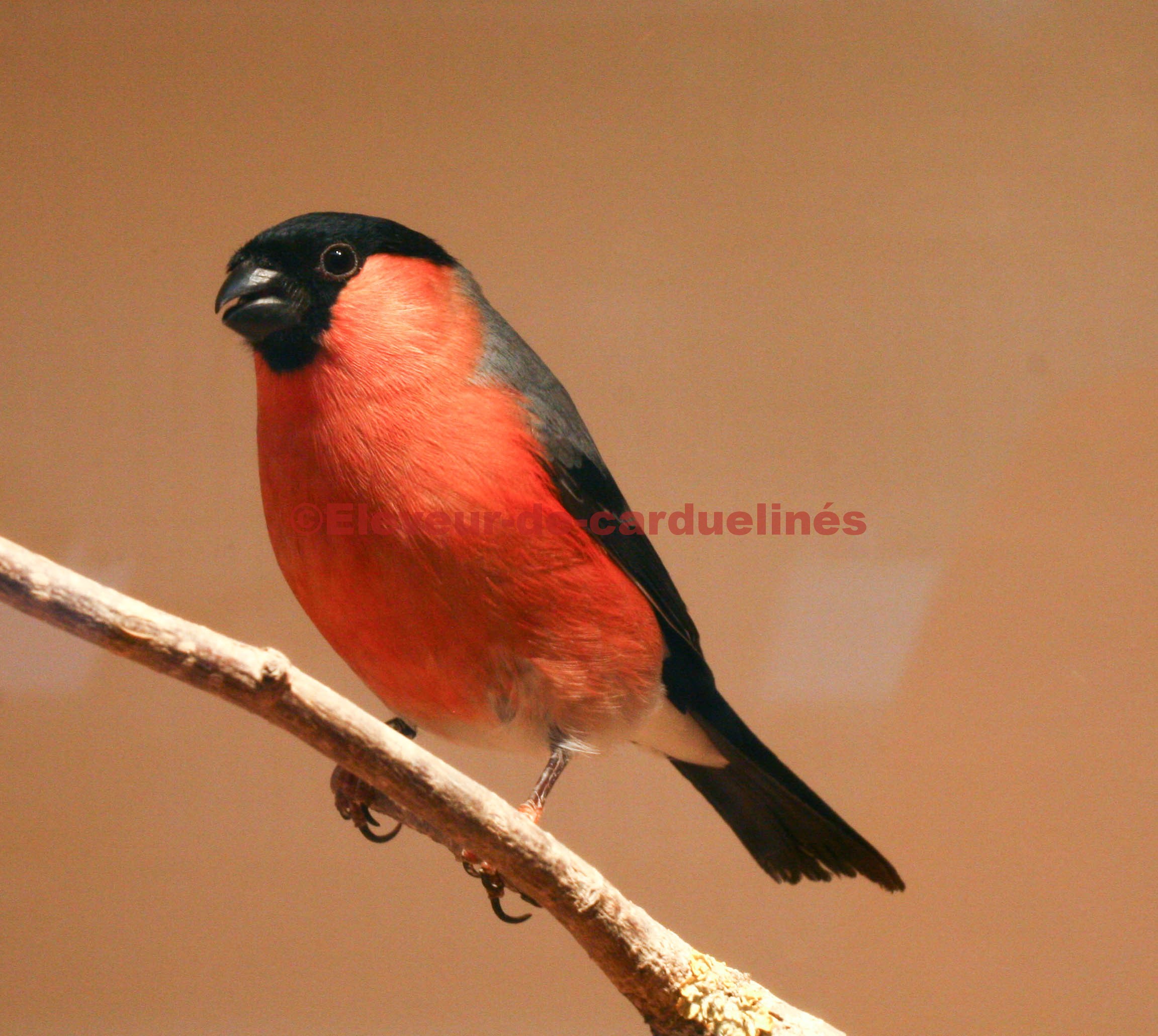
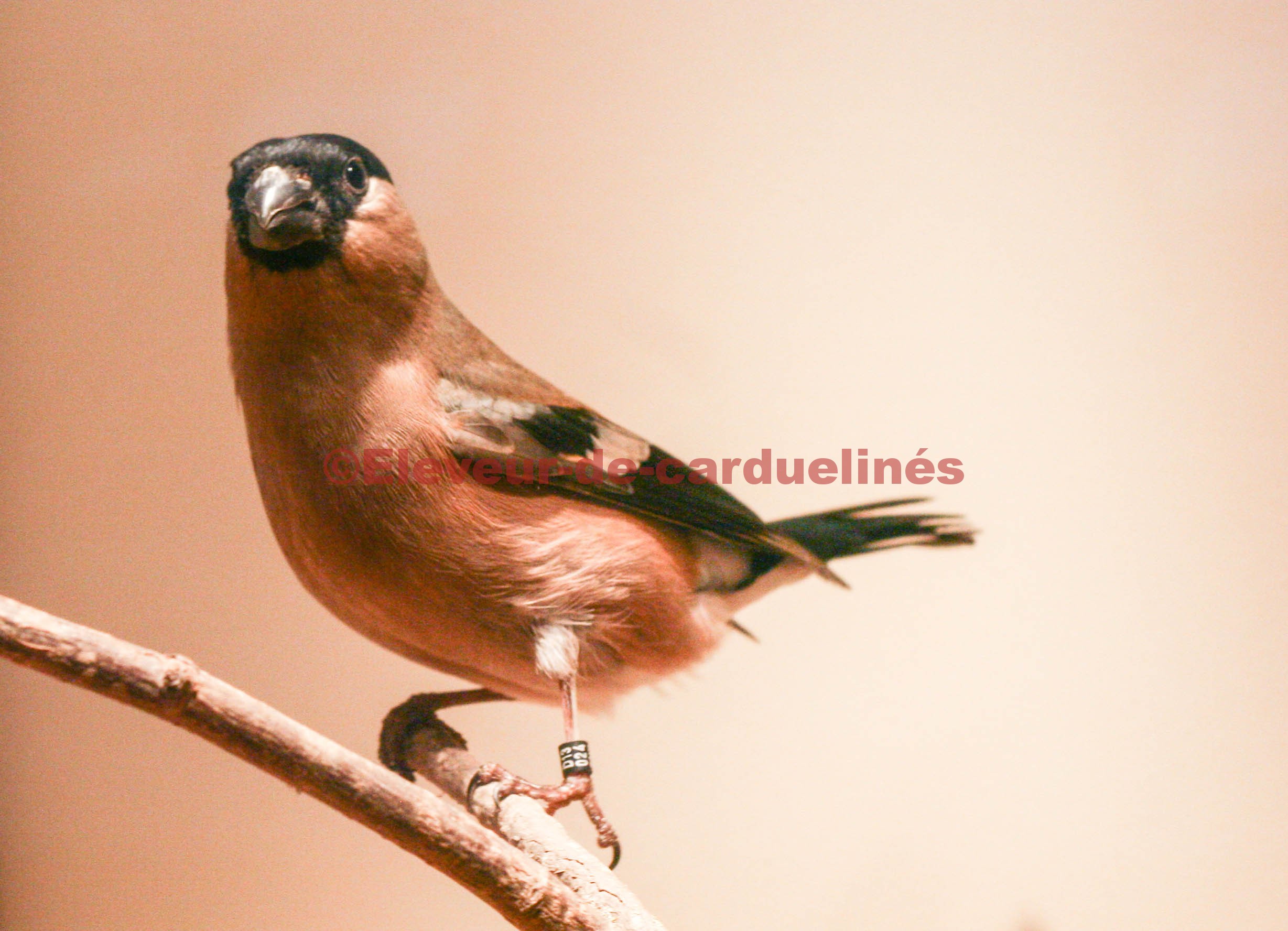
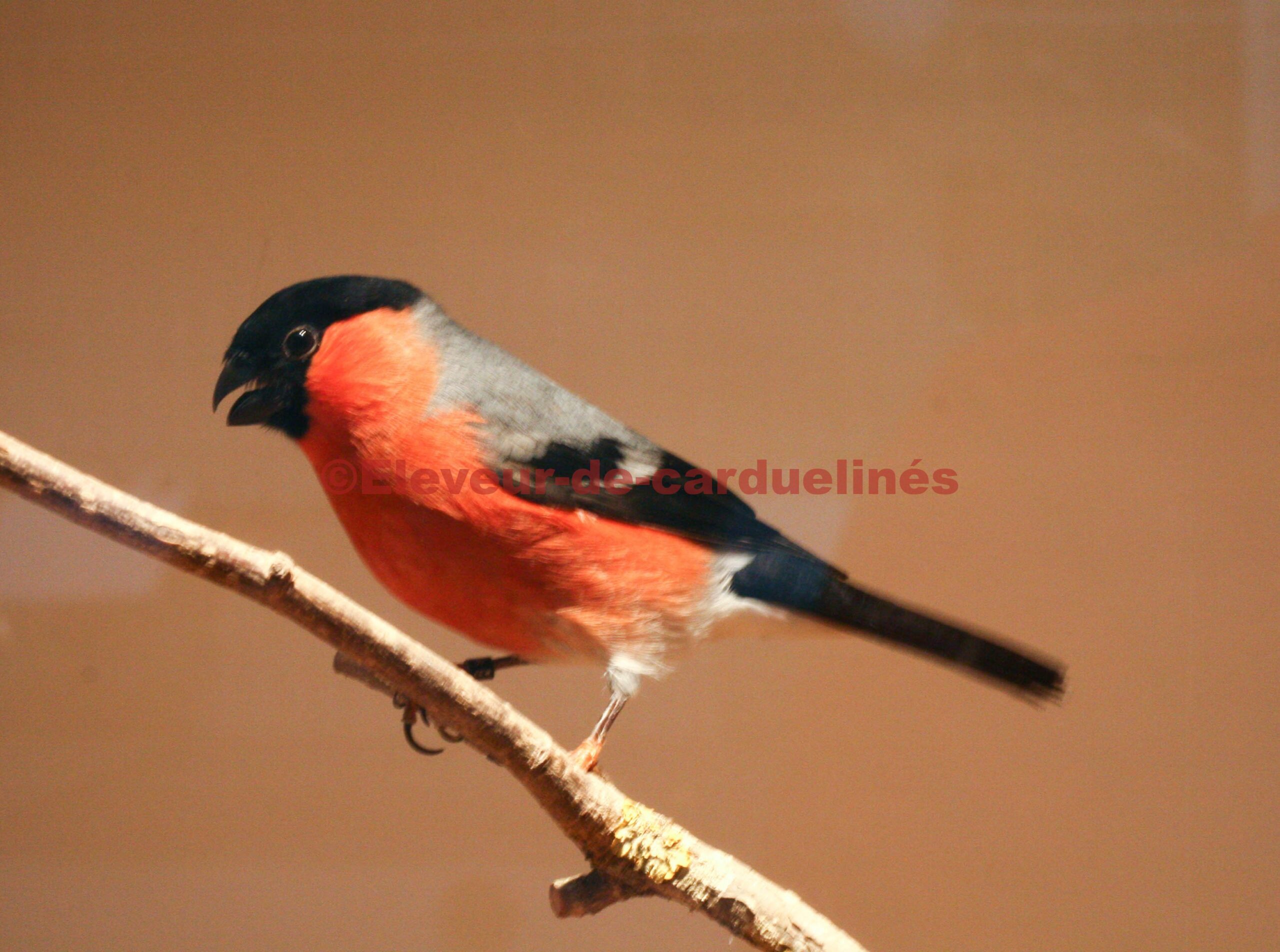
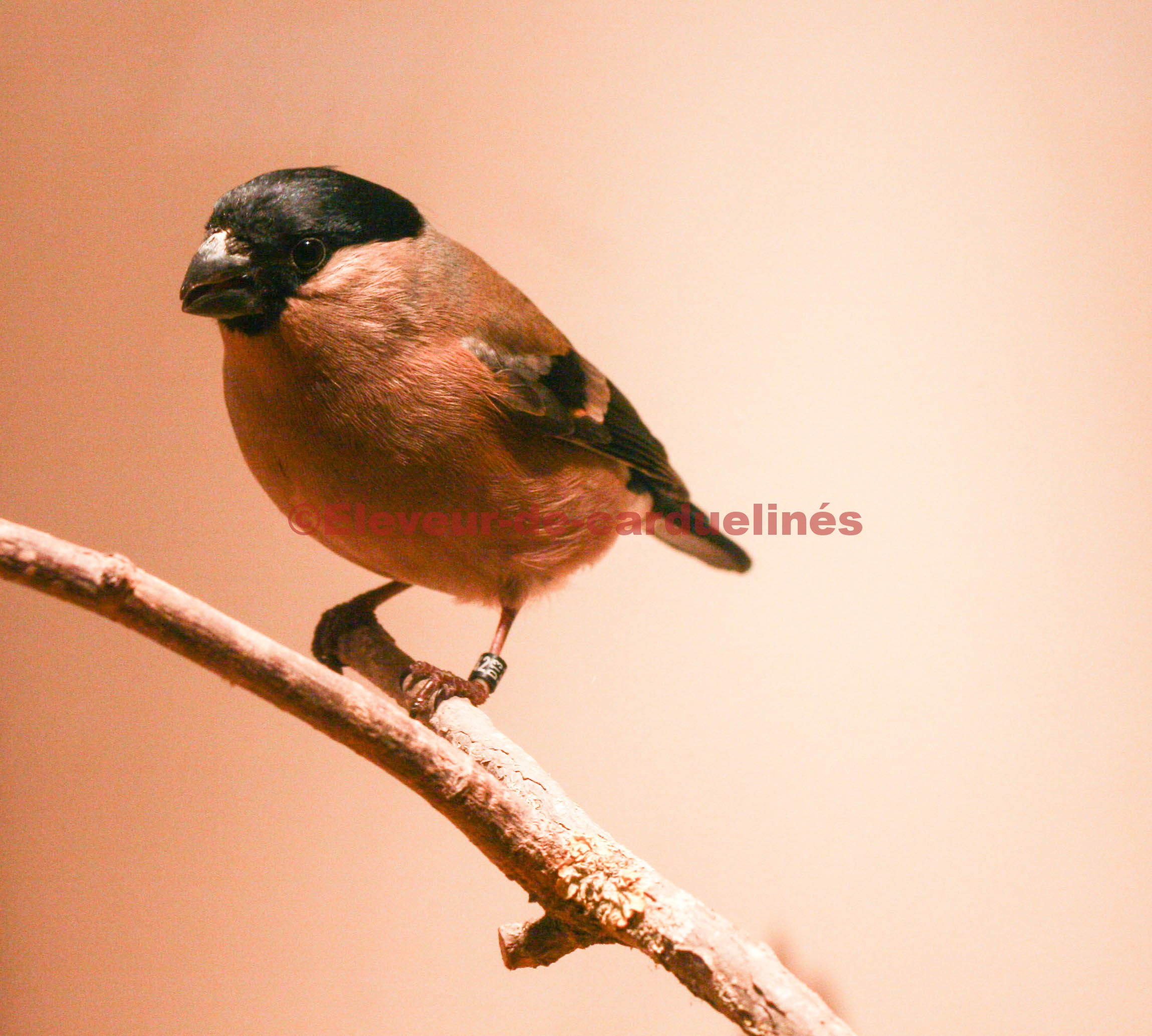
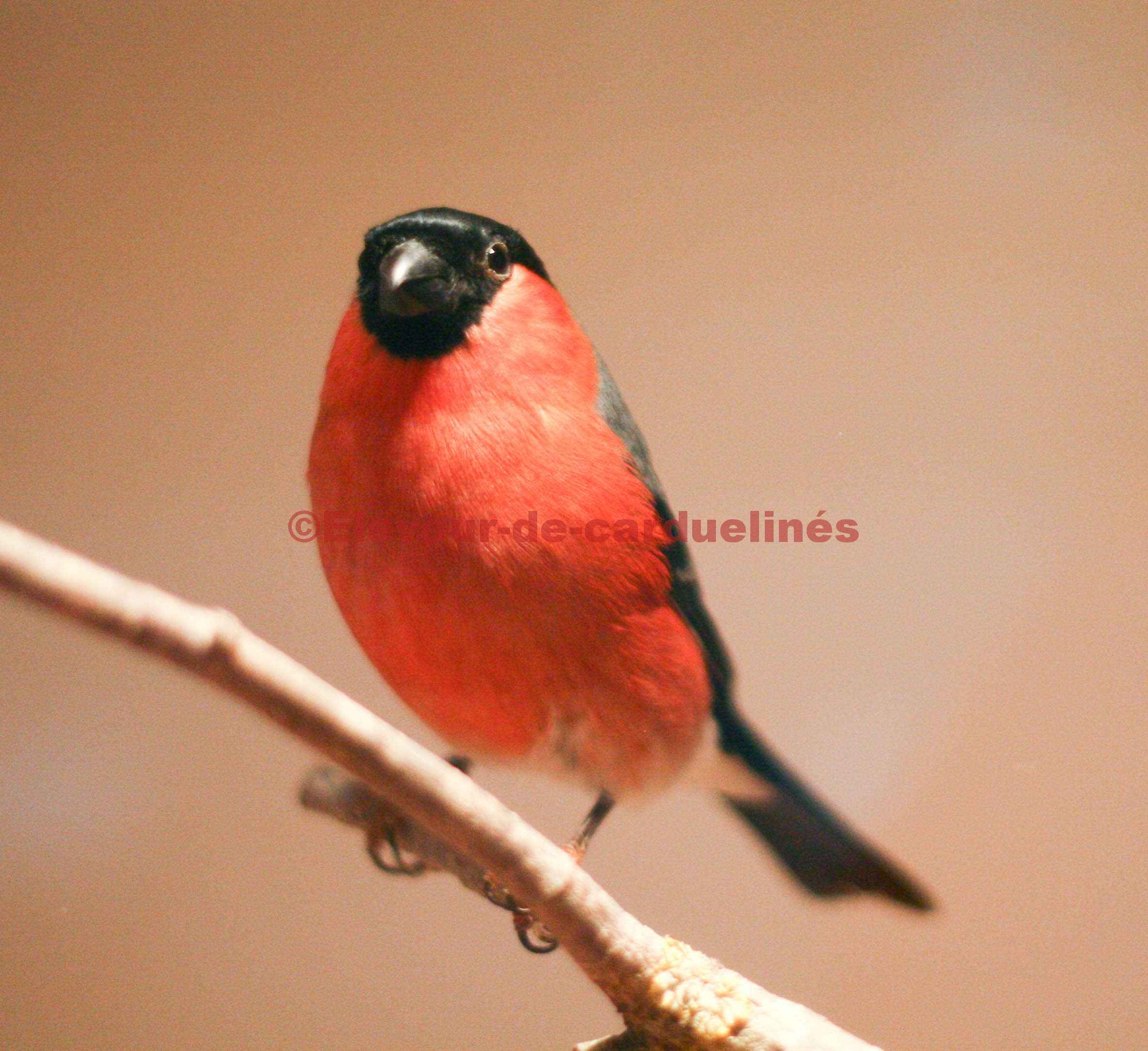
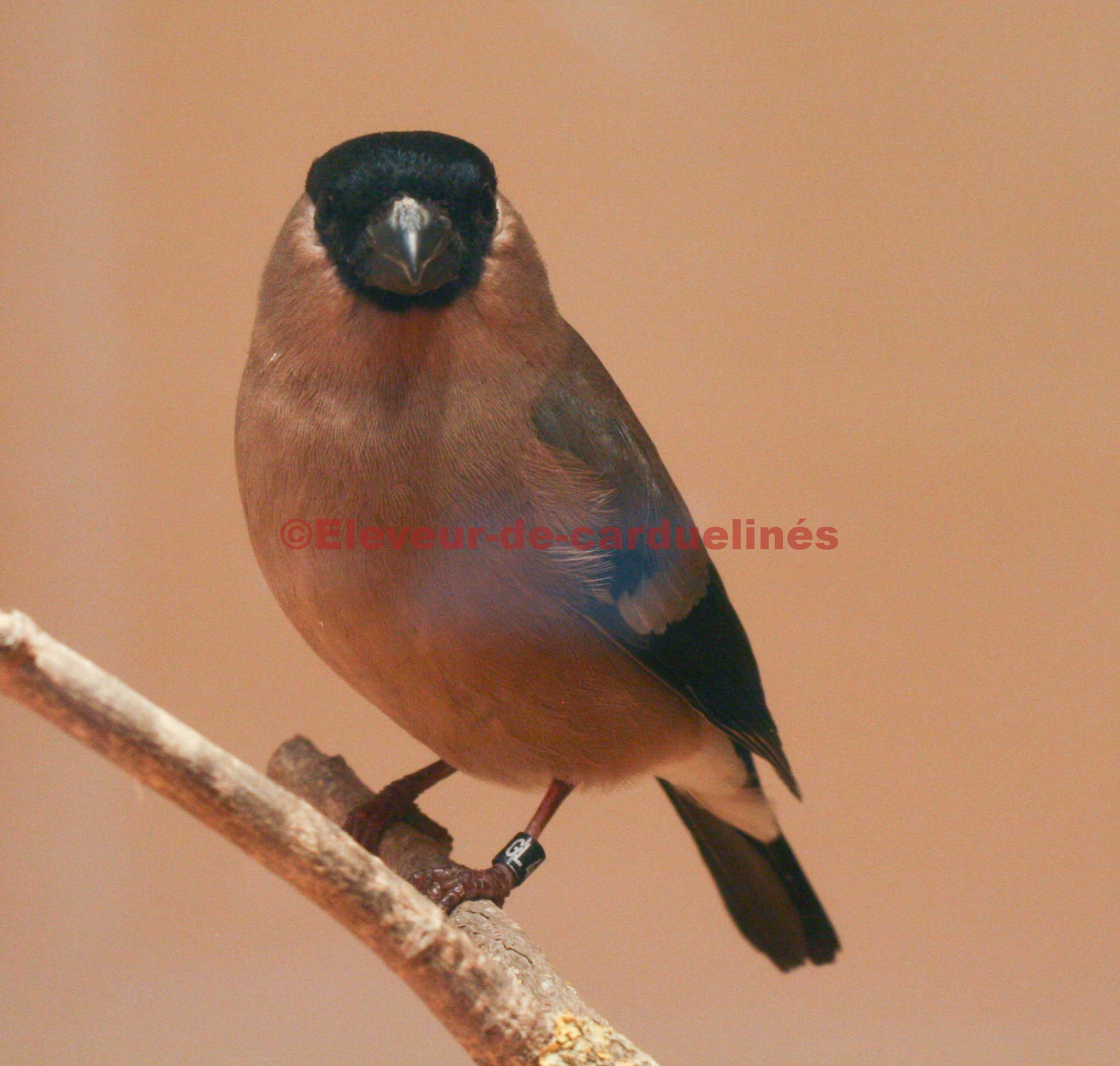
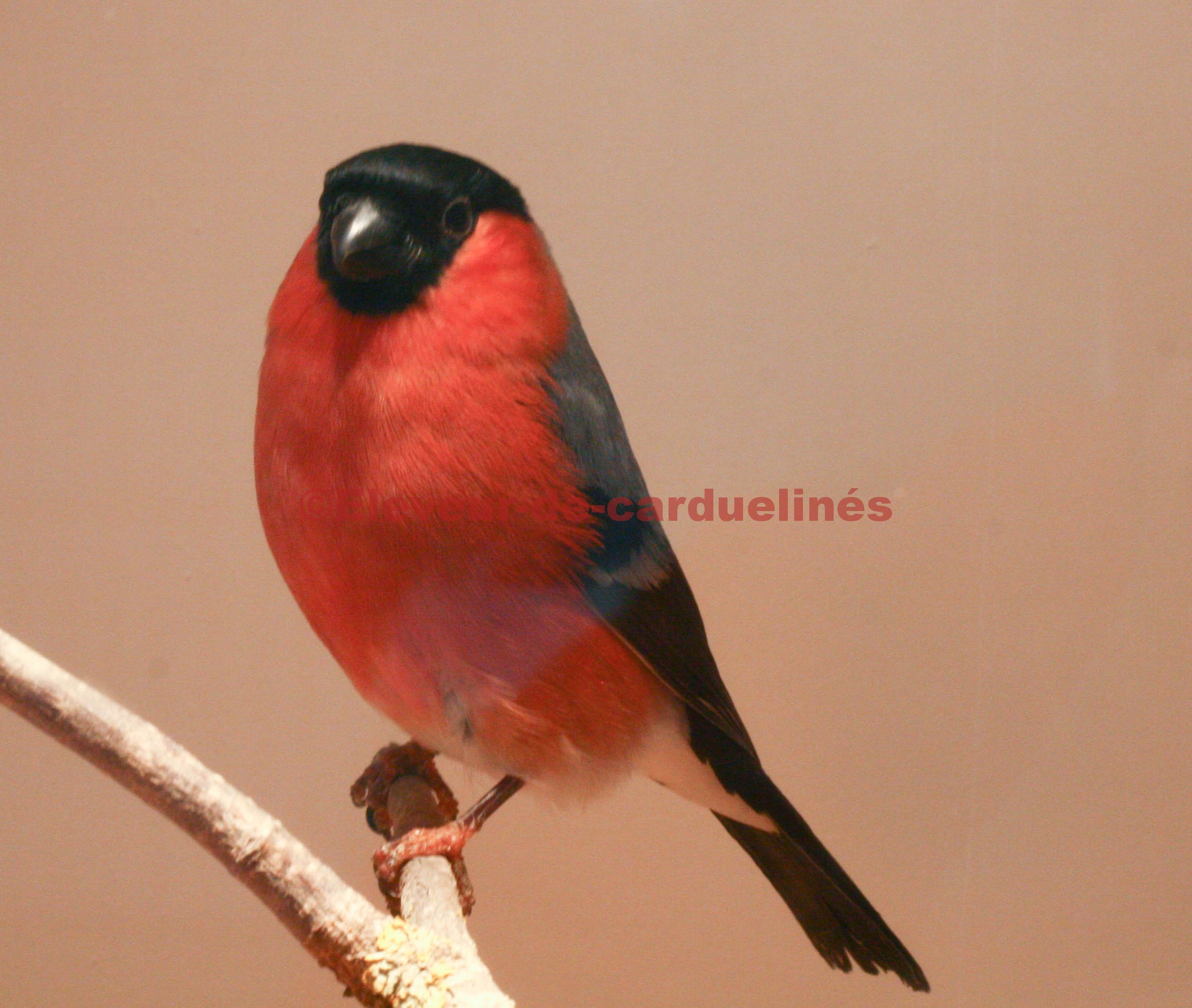
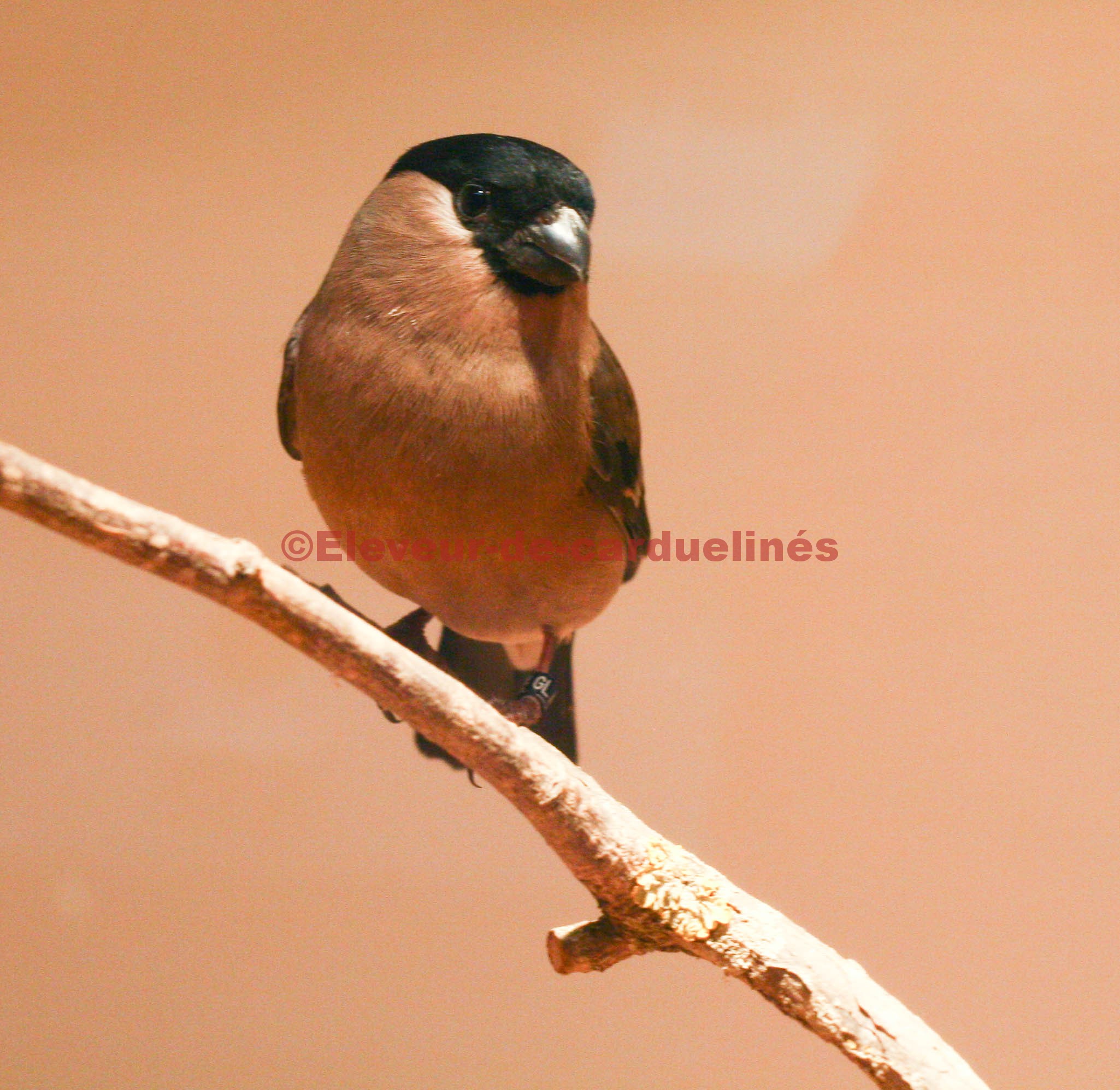
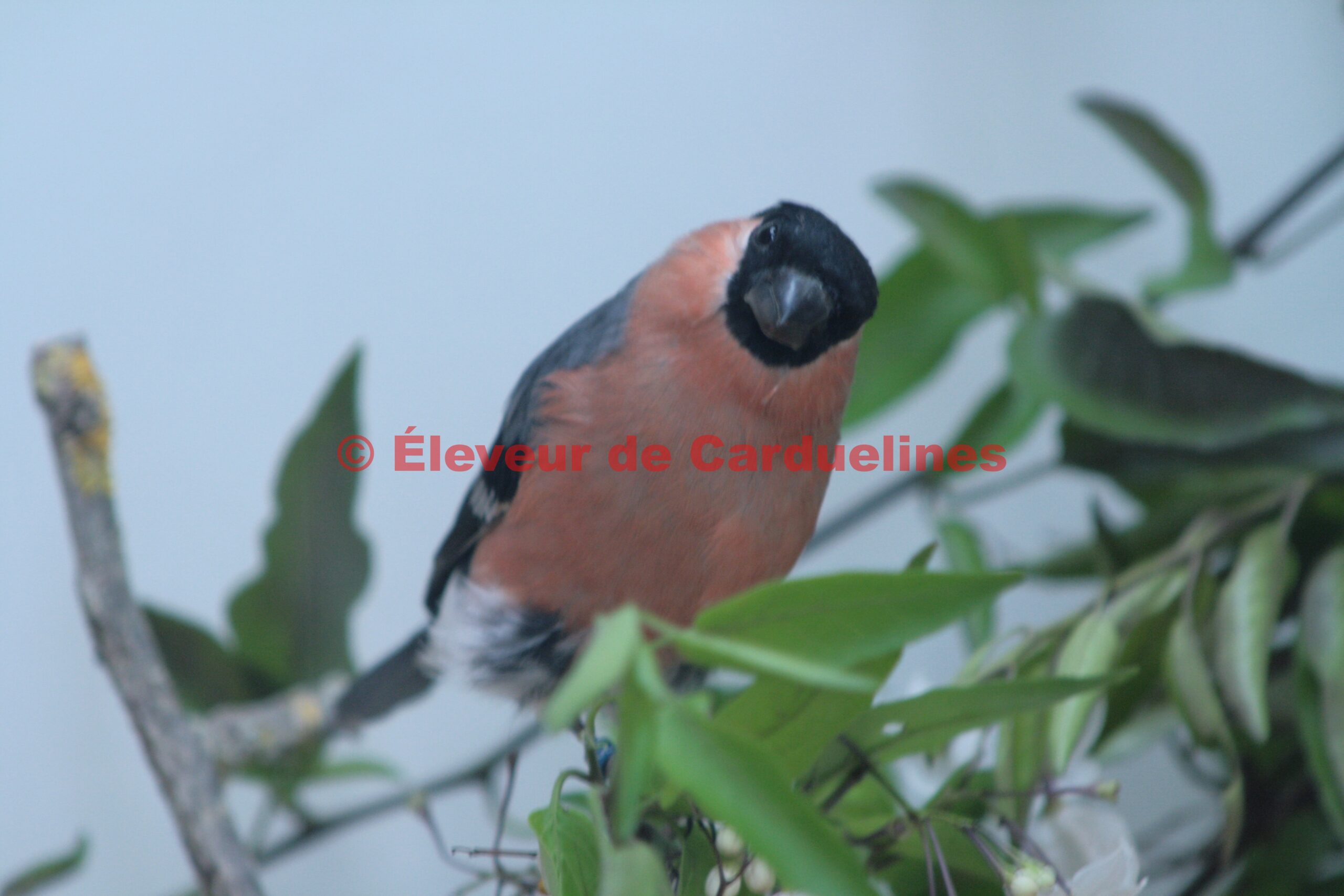
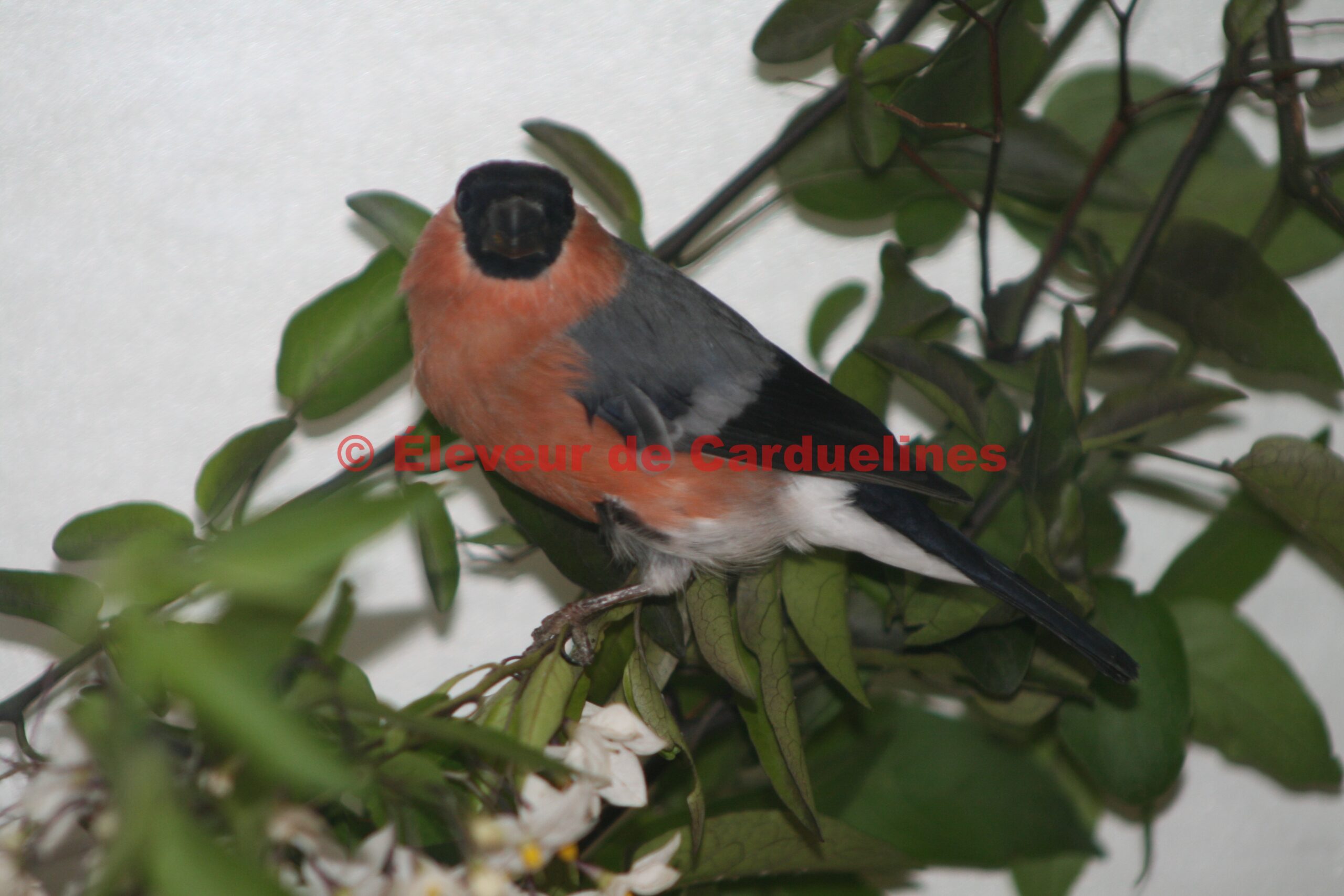
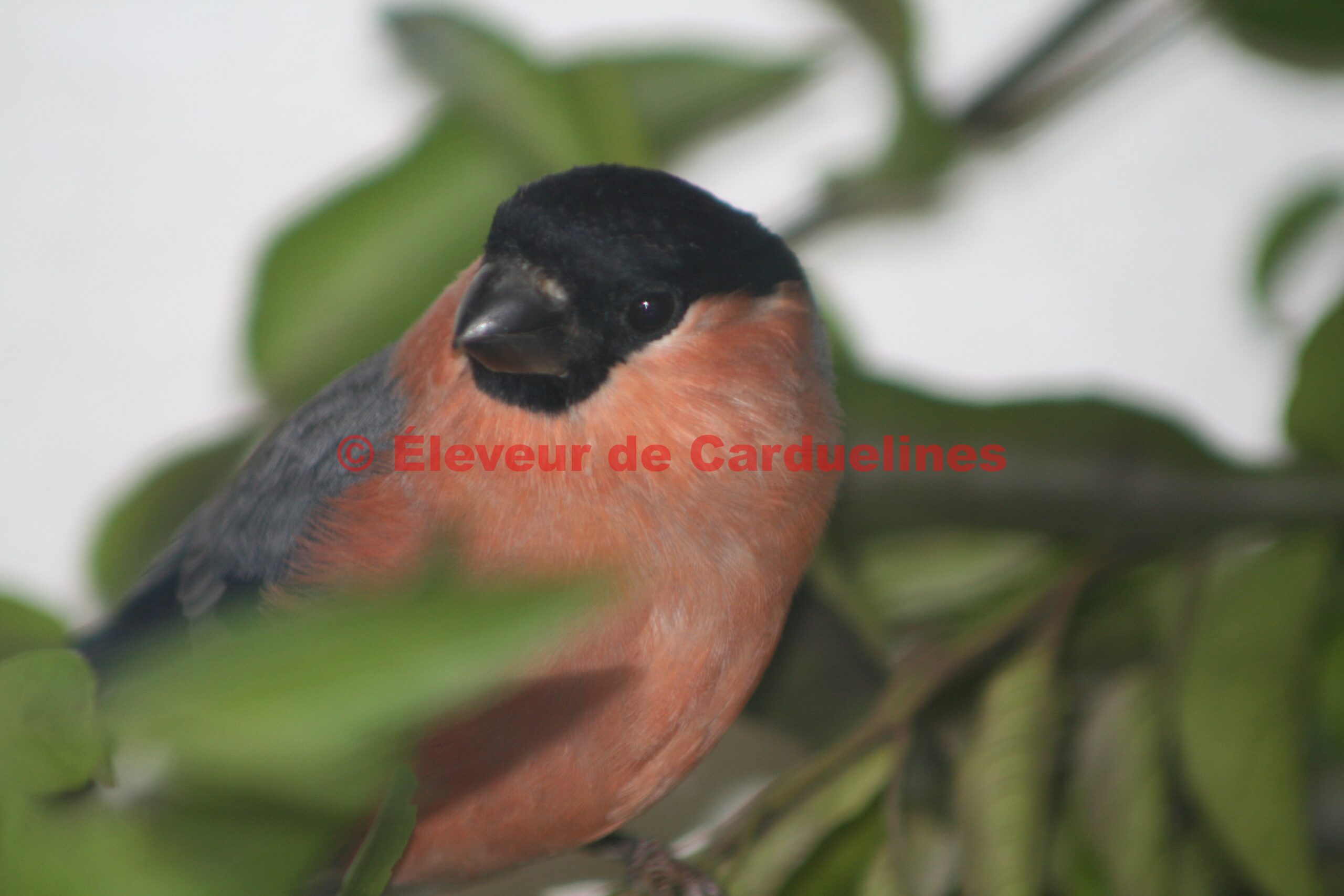
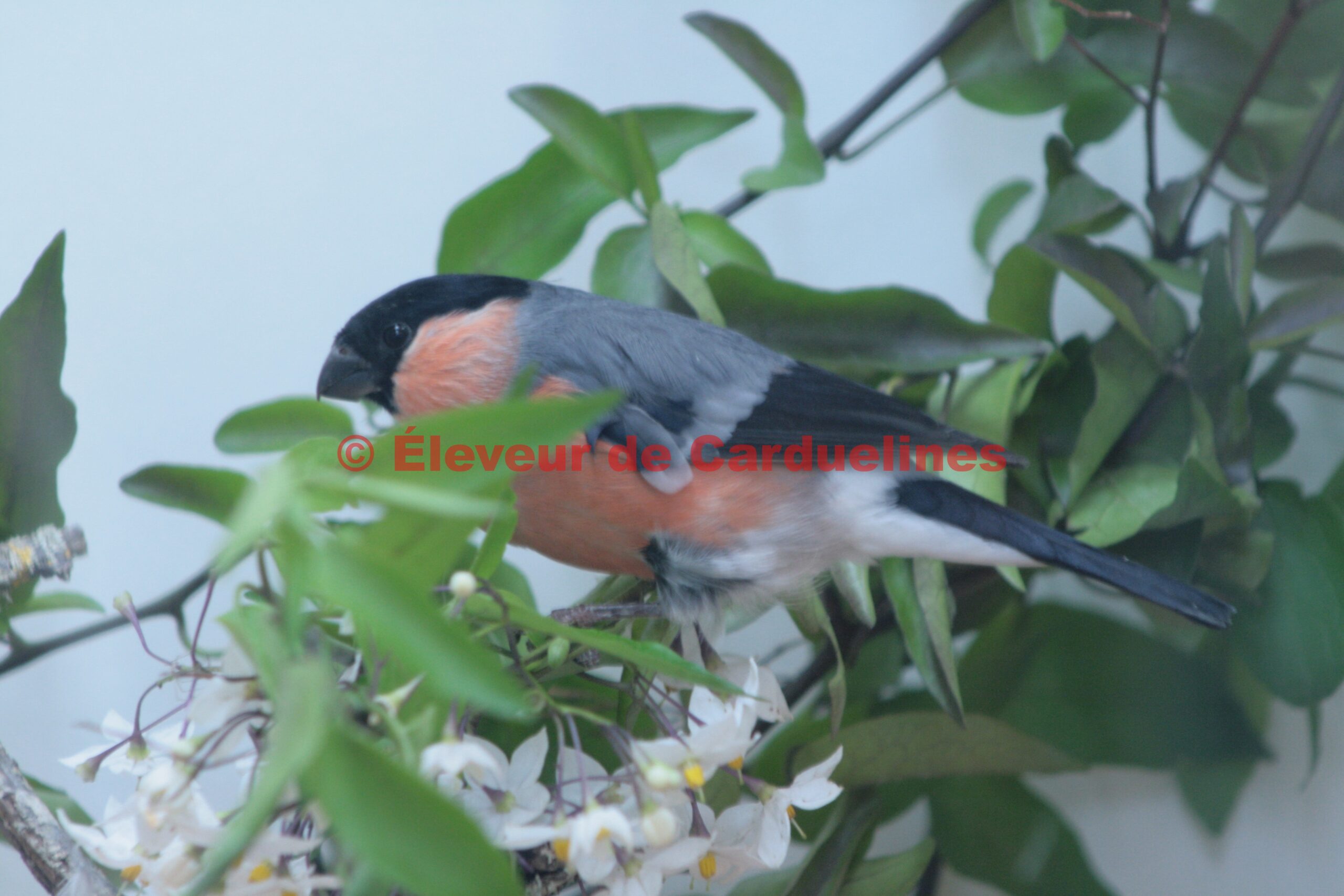
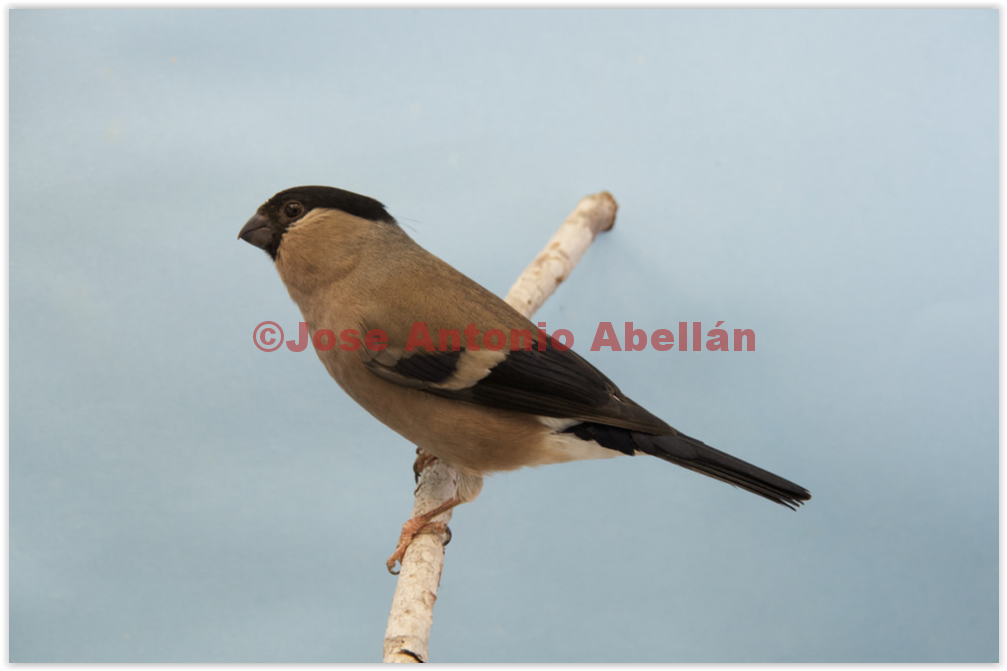
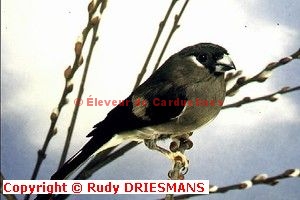
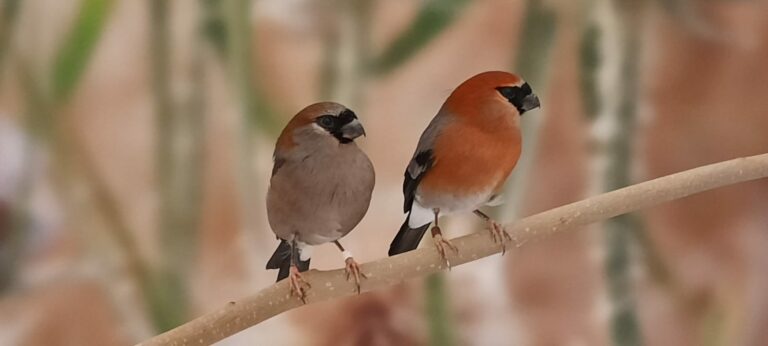
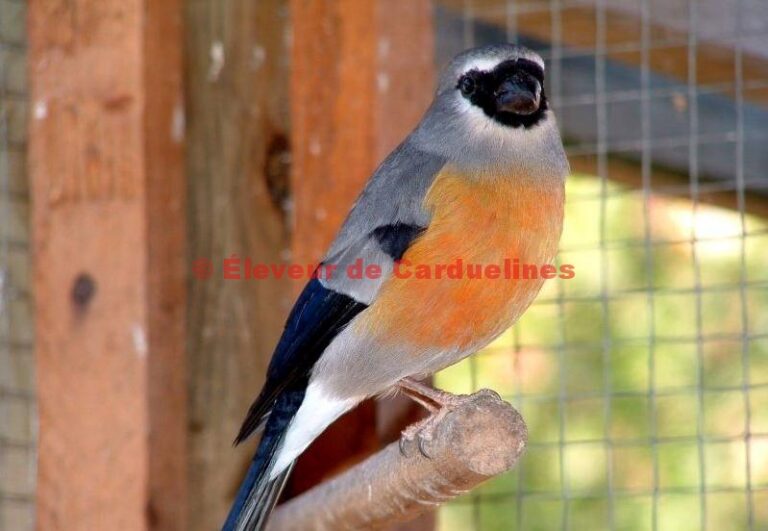
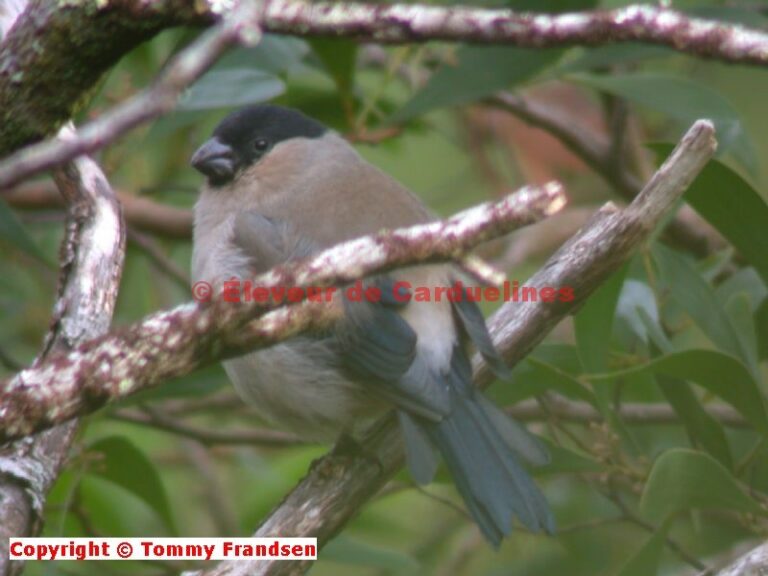
The male Bullfinch cannot be confused with any other passerine. Its crown is black, as is its mask; its breast and belly are red, and its rump is white. The black colour of the crown, but particularly of the flight feathers and tail feathers, is exceptionally glossy. There is a grey wing bar visible on the primary and secondary flight feathers. The back is bluish-grey. The female is more subdued in colour. Her crown is black, her breast and underparts are pinkish-brown, her rump is white, her back is grey-brown, and her wings and tail are black but less glossy than those of the male.
It is found throughout Europe, from north to south. The further north one goes, the larger the subspecies (Pyrrhula pyrrhula pyrrhula); the further south, the smaller the subspecies, but also the more colourful (Pyrrhula pyrrhula iberiae).
There is a tendency to believe that the Common Bullfinch (Pyrrhula pyrrhula pyrrhula), due to its size, is the nominal form. This is not the case; one must refer to the Peony Bullfinch when speaking of the nominal form. In breeding, we are seeing more and more birds that differ from the wild phenotype. Selection has taken its toll, and the Bullfinch known as the ‘Ponceau’ by breeders has become a bird distinguished by both its posture and colour. Its form has changed, its stature has changed, and its colour has also changed as a result of the selection of mutations. I would draw a parallel with the European Greenfinch (Carduelis chloris), which, in captivity, is becoming increasingly different from the wild form in terms of phenotype.
It is an endearing bird, very attached to its keeper, particularly during the breeding season. It is essential to provide it with a rich and varied diet, ensuring it includes insects for at least eight days after the young hatch. The only major issue is its susceptibility to respiratory problems. It is, however, one of my favourite birds! An individual aviary is recommended; it does not like bright light and nests quietly at the back of the aviary.
Galerie